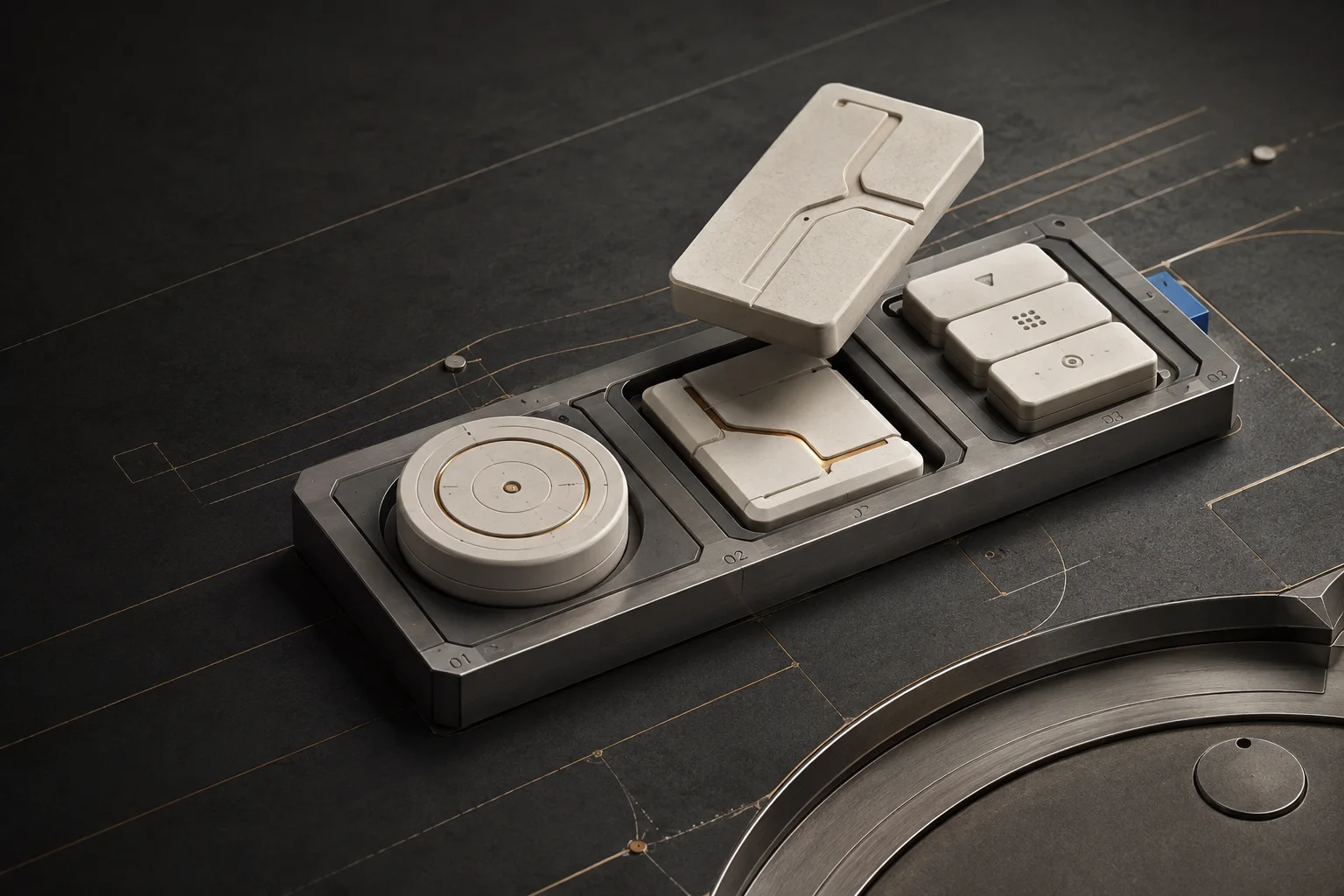
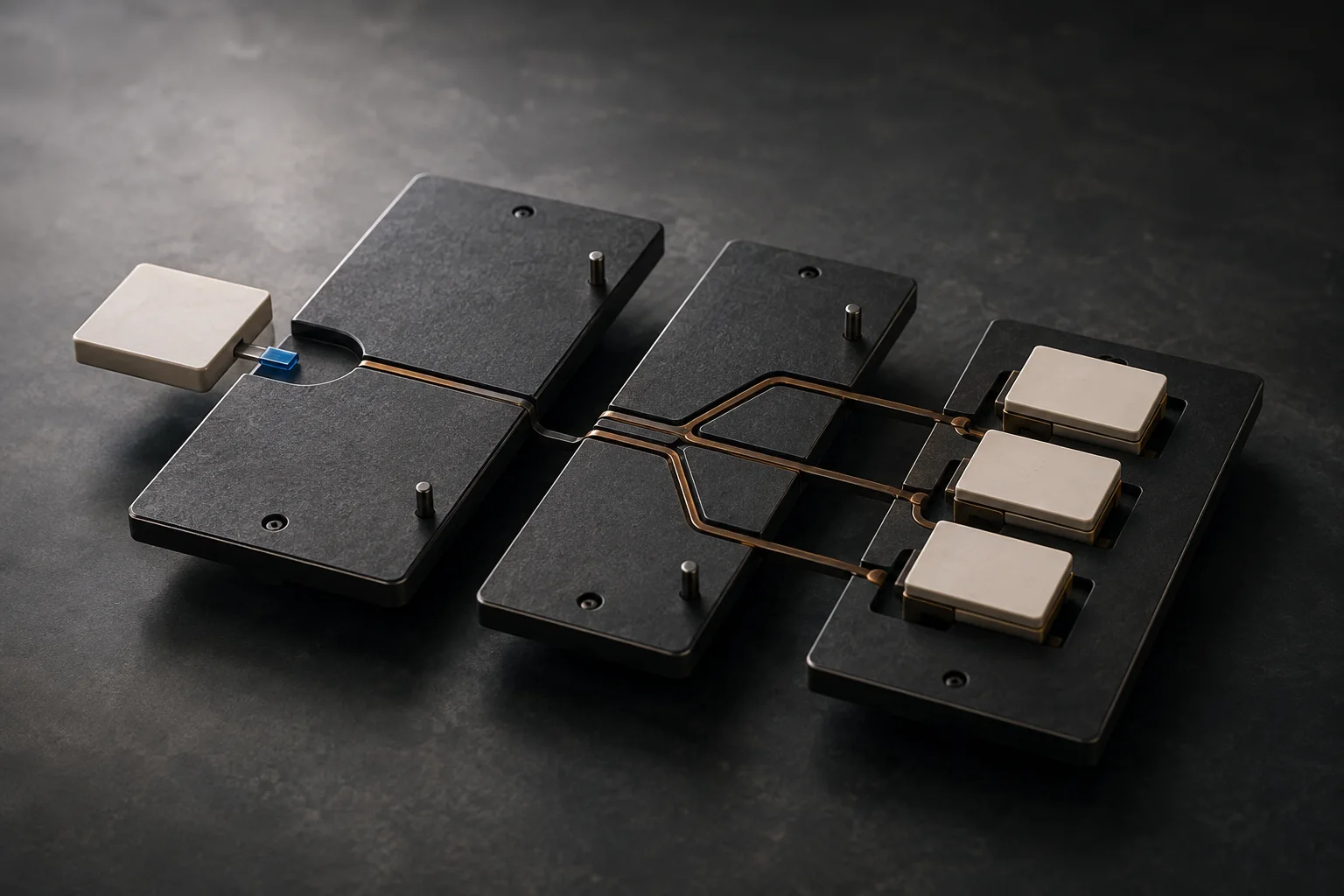
Water accelerating through a controlled bifurcation in a transparent test channel
CREATE SOMETHING .space

A public workbench for testing runtime ideas.

CREATE SOMETHING .space is where tools, routes, and interaction patterns get tested against real execution surfaces before they become research, policy, or production workflows.

  • live tools and surfaces 5
  • runtime loops previewed in the shell 3
  • Cloudflare Workers-first execution 100%
  • inspectable routes, outputs, and state Direct
Workbench protocol

Execute, inspect, then promote what survives.

Live routes. Workers-first execution. Inspectable outputs.

Runtime handoff

Visible behavior before promotion

The workbench exposes state, timing, outputs, and failure before a pattern moves elsewhere.

Execute
Run against the edge

Use real routes and Workers-first constraints instead of static demos.

Inspect
Expose the behavior

Timing, state, outputs, and failure modes should stay visible.

Promote
Move what survives

Validated routes can graduate into .io research or .agency delivery.

Performance thesis

The runtime decides what advances.

Workbench patterns move forward only after the route runs, the failure state is visible, and the handoff has evidence.

01 / Route Live

The surface performs real work against the runtime instead of simulating an outcome.

02 / Failure Visible

Timing, state, limits, and recovery behavior stay inspectable during the run.

03 / Promotion Receipted

Patterns move to research or delivery only with a repeatable result and named handoff.

Runtime decision path

Use interaction to show what can run, what needs inspection, and what should move.

The workbench should communicate through visible state changes: execute, inspect, then promote only what survives runtime contact.

Current state Run
Live surface
Decision object

Execute against the runtime.

The workbench earns its place when the visitor can run, inspect, or compare something real instead of reading a static promise.

Evidence
  • Route performs real work
  • Request and response shape stay visible
  • Output can be repeated or compared
Receipts
console outputroute statetiming result
Operating loop

The workbench has a job beyond showing off.

The practice layer should reveal how the system behaves, where it breaks, and which ideas are strong enough to carry into documentation or governed delivery.

Runtime
Execute live

The tool should do real work against a real runtime. If it only exists as a screenshot, it has not earned the pattern.

  • Prefer edge-safe execution surfaces over mocked behavior
  • Return enough output to make the system inspectable
  • Keep request and response shapes visible to the user
Evidence
Inspect the system

A useful workbench exposes timing, state, policy assumptions, and the limits of the runtime instead of smoothing them away.

  • Capture timing and state transitions as first-class output
  • Make failure modes discoverable before they become user pain
  • Treat observability as part of the interface
Promotion
Promote what survives

The experiments that hold up here are the ones that move into research, policy artifacts, or governed delivery.

  • Validated ideas roll into .io as documented patterns
  • High-stakes workflows graduate into .agency delivery
  • The workbench stays close to the implementation edge
Pick a surface

Start with the runtime you want to inspect.

Open the playground if you want to execute code, motion if you want to inspect interaction systems, or data if you want to work against a live refresh loop.

Owner
Workbench operator
Authority
Runtime evidence
Proof
Output + state + handoff
State
ready